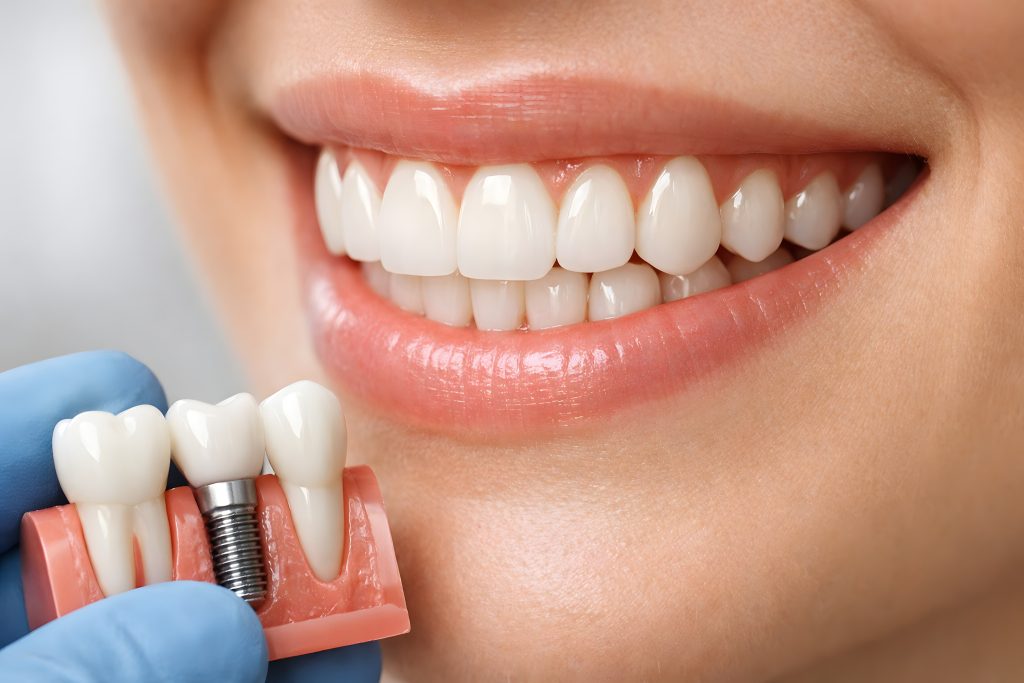
Losing a tooth can quietly change your jaw’s shape over time, and many people assume implants are off the table once bone loss sets in. In many cases, bone loss does not rule you out, though you may need an extra step, such as a bone graft, before an implant can be placed.
Our team at Town Square Dentistry in Boynton Beach listens first and talks second, so your dental implants consultation starts with your story, your concerns, and your goals. After a careful look at your jawbone and overall health, we explain your options in plain language and help you choose the path that fits you.
How Bone Loss Affects Implant Candidacy
A dental implant works much like a natural tooth root, so it needs enough healthy bone around it to stay stable. When a tooth is missing, the bone that once held it no longer gets the same stimulation from chewing, and it can slowly shrink. Long-term denture wear and untreated gum disease may speed up this process.
Whether you are a candidate for dental implants depends on several factors, including how much bone you have, the health of your gums, and your overall health. We review each of these during your exam, and bone loss is only one piece of the picture. Some patients with thinning bone may still move forward with implants after the right preparation.
When Fear or Embarrassment Keeps You Away
If you have been hiding your smile or putting off a visit, you are far from alone. Fear and embarrassment, more than cost, often keep people out of the dental chair, and missing teeth can make that worry feel even heavier. You deserve a team that treats your concerns as seriously as your teeth.
You may have already sat through two or three consultations and walked away feeling like just a number. We take a different approach by listening to you first, explaining what we see in plain terms without dental jargon, and meeting each person where they are rather than steering everyone toward the same treatment.
Treatment Options That May Help You Qualify
When your jawbone has thinned, we do not simply say no. Depending on your exam, one of these approaches may open the door to implants:
- Bone grafting: adds bone to thin areas of the jaw so an implant has a stronger foundation.
- Mini implants: use narrower posts that may suit areas where the bone is thinner.
- All-on-4: places a full arch of teeth on four implants, which may make use of the bone you already have.
- Implant-supported dentures: secure a denture to implants for added stability and comfort.
Each option has its own steps and healing time, so we walk through what each one involves before you decide anything. You are welcome to ask as many questions as you like, because your plan should fit your needs and your comfort level.
What Bone Grafting Looks Like
In a bone graft, bone material is placed where the jaw has thinned, and your body gradually builds new bone around it. Bone grafting for dental implants is a common step before placement, and healing often takes a few months. If the thought of surgery makes you nervous, sedation dentistry may help you feel more at ease during treatment.
A 2025 retrospective study of 85 patients, published in the journal Bioinformation and available through the National Library of Medicine, reported implants placed in grafted sites reached a 95.5% survival rate at one year. In that study, grafted areas healed for four to six months before implants were placed. Individual results vary, and grafting is not the right fit for everyone, which is why we review your health history and goals before recommending any treatment.
Take the Next Step With Town Square Dentistry
Bone loss is common after tooth loss, and it does not always close the door on dental implants. Whether you need a bone graft, a mini implant, or a full-arch option, we take the time to look at your situation and build a plan around you. Financing options such as CareCredit and Cherry may help make treatment more manageable.
Our team of doctors includes Dr. Mitchell Indictor, who earned his D.D.S. in 1981 and completed a master’s degree in microbiology at New York University, so your care is guided by experienced hands. If bone loss has you wondering where you stand, schedule your consultation with our office and let us listen to your story.