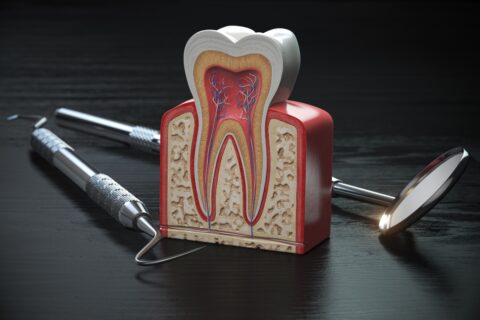
How Long Can a Root Canal Last? Tips to Help It Last Longer
A root canal is often the turning point between losing a tooth and saving it. If you’ve recently had one—or are planning to—you’re probably wondering how long it will last and what you can do to protect your investment.
The good news? With proper care, a root canal-treated tooth can last many years, even a lifetime. But longevity depends on a few important factors that every patient should understand.
What Is the Typical Lifespan of a Root Canal?
A root canal removes infection from inside the tooth and seals it to prevent future problems. On average:
- A well-done root canal can last 10–15 years or longer
- With a crown and proper care, many last a lifetime
- Without protection, the treated tooth may weaken over time
Patients seeking Root Canal Treatment Boynton Beach often ask if the procedure is a permanent fix. While the treatment itself is highly effective, the long-term success depends on how well the tooth is restored and maintained afterward.
What Affects How Long a Root Canal Lasts?
Not all root canals perform the same. Several factors play a role in determining durability:
1. Quality of the Procedure
A properly cleaned and sealed root canal reduces the risk of reinfection. Precision matters here.
2. Placement of a Dental Crown
After treatment, the tooth becomes more brittle. A crown:
- Protects against fractures
- Restores strength and function
- Helps the tooth last significantly longer
3. Oral Hygiene Habits
Daily care is critical:
- Brushing twice a day
- Flossing regularly
- Using antibacterial mouthwash
4. Bite Pressure and Grinding
Teeth grinding (bruxism) can shorten the lifespan of a treated tooth. Nightguards may be recommended.
5. Timely Follow-Ups
Regular dental visits help catch small issues before they become major problems.
Signs Your Root Canal Is Still Healthy
After treatment, your tooth should feel and function normally. Here’s what a successful outcome looks like:
- No pain or sensitivity
- Normal chewing ability
- Healthy surrounding gums
- No swelling or infection
If everything feels natural, that’s a strong sign your root canal is holding up well.
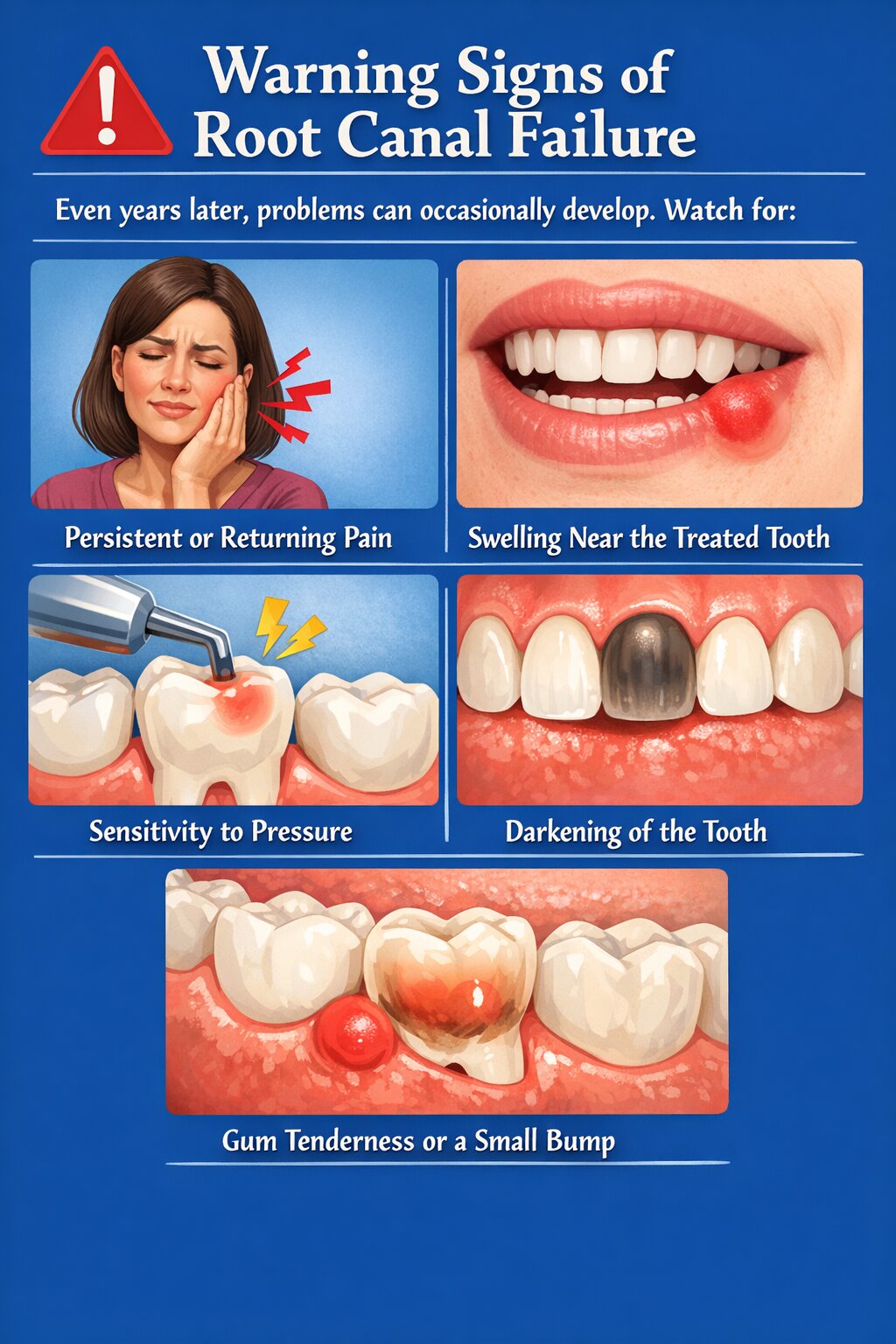
Warning Signs of Root Canal Failure
Even years later, problems can occasionally develop. Watch for:
- Persistent or returning pain
- Swelling near the treated tooth
- Sensitivity to pressure
- Darkening of the tooth
- Gum tenderness or a small bump
If you notice any of these, it’s best to get evaluated early. Patients looking into Root Canal Treatment Boynton Beach often benefit from early intervention when issues arise.
Tips to Help Your Root Canal Last Longer
Taking care of your treated tooth doesn’t require anything complicated—just consistency and awareness.
Protect Your Tooth with a Crown
If your dentist recommends a crown, don’t delay. It’s one of the most important steps for longevity.
Maintain Excellent Oral Hygiene
Keep your mouth clean to prevent bacteria from affecting the treated tooth.
Avoid Chewing Hard Foods
Limit:
- Ice
- Hard candies
- Nuts (especially with treated molars)
Wear a Nightguard if Needed
If you grind your teeth at night, a custom guard can protect your dental work.
Stay Consistent with Dental Visits
Routine cleanings and exams help ensure everything stays in good condition.
Why Local Care Matters in Boynton Beach
Living in Boynton Beach means access to modern dental care and experienced professionals. But lifestyle factors here also play a role:
- Busy schedules can lead to delayed dental visits
- Outdoor activities and sports may increase risk of dental trauma
- Diets with acidic or sugary foods can impact oral health
Choosing a local dentist who understands these habits can make a real difference in long-term outcomes.
For those considering Root Canal Treatment Boynton Beach, working with a trusted local provider ensures personalized care and easier follow-ups.
What Happens After a Root Canal?
Your treatment doesn’t end when the procedure is done. Here’s what to expect:
Immediately After
- Mild soreness for a few days
- Sensitivity when chewing
- Gradual return to normal function
Long-Term
- Placement of a crown (if needed)
- Regular checkups to monitor the tooth
- Continued oral care at home
Most patients return to their normal routine quickly, with minimal disruption.
Source: Teeth Talk Girl
Can a Root Canal Be Redone?
Yes, in some cases. If a root canal fails, retreatment may be possible. This involves:
- Removing the old filling
- Cleaning the canals again
- Sealing the tooth properly
In more complex cases, surgical options like an apicoectomy may be recommended.
Common Questions Patients Ask
Most back teeth (molars and premolars) require crowns due to heavy chewing forces. Your dentist will guide you based on your case.
It may feel slightly different at first, but it should not be painful. Any discomfort should fade within a few days.
Yes, but it’s uncommon if the tooth is properly restored and maintained.
Ideally within a few weeks after the root canal to avoid fractures or reinfection.
Final Thoughts: Protect Your Smile for the Long Run
A root canal is more than just a treatment—it’s a way to preserve your natural tooth and avoid extraction. With the right care, your treated tooth can serve you well for many years.
The key is simple:
- Don’t skip follow-ups
- Protect your tooth with proper restoration
- Maintain consistent oral hygiene
If you’re experiencing tooth pain or have questions about your treatment, the team at Town Square Dentistry – Dentist Boynton Beach is here to help. Early care leads to better outcomes.
Book your appointment today and take the next step toward a healthier, longer-lasting smile.