Porcelain vs. Composite Veneers: Which Actually Lasts Longer?
If you're exploring veneers in Boynton Beach, one question comes up almost every time: porcelain vs. composite veneers — which actually lasts longer? It's a fair and important question. Both options can dramatically improve your smile, but they differ in durability, cost, appearance, and how they're applied. Understanding those differences helps you make a confident, informed decision. At Town Square Dentistry, Dr. Mitchell Indictor works with patients to match the right veneer type to their unique goals and lifestyle.
What Are Porcelain and Composite Veneers?
Veneers are thin shells bonded to the front surface of your teeth. They cover chips, stains, gaps, and minor misalignment. The two most common materials are porcelain and composite resin. Each has a distinct set of benefits and trade-offs worth knowing before you commit.
Porcelain veneers are crafted in a dental lab from high-grade ceramic. They require two or more appointments to complete. Your dentist removes a small amount of enamel, takes impressions, and places temporary veneers while your custom set is made.
Composite resin veneers are applied directly to your teeth in a single visit. Your dentist sculpts the material by hand and hardens it with a curing light. No lab work is required, which makes the process faster and more affordable upfront.
Comparing Aesthetics: Which Looks More Natural?
Aesthetics matter enormously when choosing between porcelain and composite veneers. Porcelain closely mimics the light-reflecting properties of natural enamel. It resists staining from coffee, wine, and everyday foods far better than composite resin. Most patients find porcelain virtually indistinguishable from natural teeth.
Composite resin has improved significantly over the years. A skilled dentist can achieve beautiful, natural-looking results with the right technique. However, composite is more porous than porcelain. It tends to absorb stains over time, which can dull the finish.
If aesthetics are your top priority and you want a long-lasting, bright result, porcelain generally wins this comparison. For patients who want a quick cosmetic improvement without significant investment, composite can still deliver impressive outcomes.
Porcelain vs. Composite Veneers: Which Actually Lasts Longer in Boynton Beach?
Longevity is often the deciding factor for patients. Here's a straightforward comparison:
- Porcelain veneers typically last 10 to 20 years with proper care.
- Composite veneers generally last 4 to 8 years before needing replacement or touch-ups.
- Porcelain is harder and more resistant to chipping under normal conditions.
- Composite is more prone to wear, especially in patients who grind their teeth.
- Boynton Beach’s warm climate won’t affect either material, but oral hygiene habits will.
Porcelain clearly outlasts composite resin in most clinical comparisons. However, composite veneers are much easier to repair. If a porcelain veneer chips, it typically requires full replacement. A chipped composite veneer can often be fixed chairside in a single appointment.
That repairability factor is important for active individuals or those prone to dental accidents. Dr. Indictor helps patients weigh these real-world considerations during consultations at Town Square Dentistry.
Cost Differences and What to Expect
Cost is a practical reality for most patients. Porcelain veneers cost significantly more per tooth than composite veneers. The lab fabrication process, higher-grade materials, and multiple appointments drive that price difference. Composite veneers cost less upfront because everything is completed in one visit with no lab fees.
However, consider the long-term picture. Composite veneers may need replacement sooner. Over 15 years, multiple rounds of composite work could exceed the cost of porcelain placed once. This is a conversation worth having with your dentist before deciding based on price alone.
At Town Square Dentistry, we also offer a range of Dental Restorations Boynton Beach patients can combine with veneer treatment for comprehensive smile improvement. Pairing veneers with other restorative work can be a cost-effective strategy when planned together.
Procedure Breakdown: What Each Treatment Involves
Knowing what to expect during each procedure reduces anxiety and helps with scheduling. Here's a step-by-step look at both:
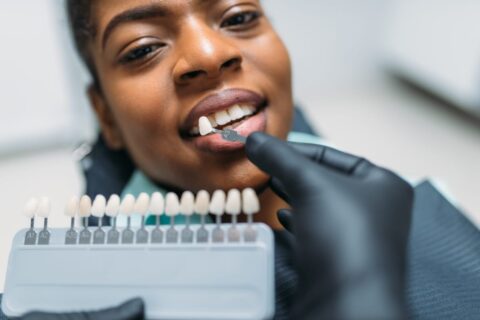
- Porcelain Veneer Process: Consultation and shade matching → Enamel reduction → Impressions sent to lab → Temporary veneers placed → Final veneers bonded at second appointment.
- Composite Veneer Process: Consultation and shade selection → Surface preparation → Resin applied and sculpted layer by layer → Curing light hardens each layer → Final polish completed same day.
Porcelain requires a waiting period of one to two weeks while the lab creates your custom shells. Composite lets you leave the office with a transformed smile on the same day. Both procedures use local anesthesia to keep you comfortable throughout.
Some patients also ask about combining veneers with solutions like Dental Bridges Boynton Beach to address missing teeth alongside cosmetic concerns. A full-smile plan often delivers the most balanced and lasting results.
Which Option Is Right for You?
There's no single right answer for every patient. Your decision depends on your goals, budget, timeline, and dental health. Consider the following when making your choice:
- Choose porcelain if you want maximum longevity and the most lifelike appearance.
- Choose composite if you want a faster, more affordable option with easier repairability.
- Consider your lifestyle — do you grind your teeth or play contact sports?
- Think about your long-term investment, not just the upfront cost.
- Ask your dentist whether your enamel thickness supports either option safely.
Dr. Indictor takes time to review each patient's full dental history before recommending a veneer type. What works beautifully for one person may not be ideal for another. A personalized consultation is always the best starting point.
Conclusion: Making a Confident Smile Decision in Boynton Beach
When comparing porcelain vs. composite veneers, porcelain wins on durability and aesthetics. Composite wins on affordability, speed, and repairability. Neither option is universally superior — the best choice depends entirely on your specific needs. Patients throughout Boynton Beach trust Dr. Mitchell Indictor and the team at Town Square Dentistry to guide them through exactly this kind of decision with patience and expertise. Book Now to schedule your appointment with our team.
Frequently Asked Questions
How long do porcelain veneers actually last?
Porcelain veneers typically last between 10 and 20 years with proper care. Regular brushing, flossing, and routine dental checkups help maximize their lifespan. Avoiding habits like nail-biting or using teeth as tools also protects your veneers from premature damage.
Can composite veneers be whitened if they stain?
Composite resin does not respond to traditional whitening treatments the way natural enamel does. If composite veneers become stained or discolored, your dentist can polish or replace them. Choosing a shade slightly lighter than your natural teeth at placement can help compensate for future staining.
Is the veneer procedure painful?
Most patients experience minimal discomfort during either veneer procedure. Local anesthesia is used to numb the area before any enamel preparation or bonding. Some mild sensitivity after the appointment is normal and typically resolves within a few days.
Are veneers reversible?
Porcelain veneers are considered irreversible because a small amount of enamel is permanently removed during preparation. Composite veneers involve less enamel removal and are considered more reversible. Your dentist will explain what each procedure means for your specific teeth before you commit.
Can I get veneers if I have existing dental work like crowns or bridges?
Veneers can often be placed alongside existing dental work, depending on location and condition. Your dentist will evaluate how veneers interact with any crowns, bridges, or other restorations already in your mouth. A comprehensive exam ensures your full smile plan is cohesive and functional.